
About Dr. William Glasser
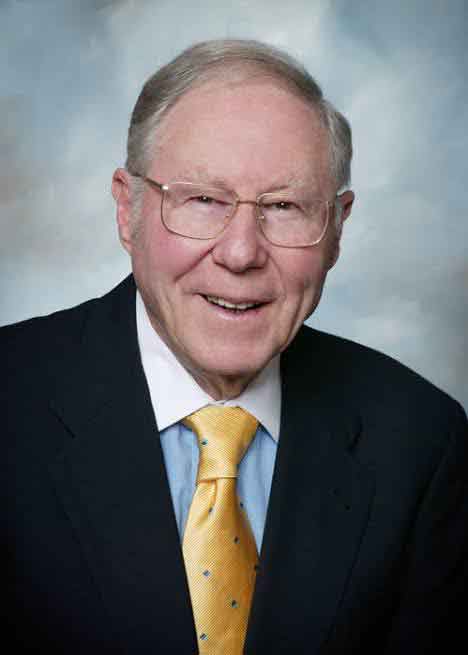
Dr. William Glasser (1925 – 2013) was a world-renowned board-certified psychiatrist who challenged the medical model of mental illness. Instead of focusing on medication, he believed in working with people to help them build stronger, more responsible relationships.
- In 1965, he introduced Reality Therapy, a counselling approach focused on present choices and personal responsibility.
- In 1998, he published his landmark book Choice Theory: A New Psychology of Personal Freedom, which has become the cornerstone of his body of work.
His ideas have been applied in counselling, education, organisations, corrections, and leadership, continuing to influence practitioners worldwide today.
Accomplishments
A History of His Life and Work
Early Life and Education
- Born: May 11, 1925, in Cleveland, Ohio, USA.
- Initially studied chemical engineering, but later pursued medicine.
- Earned his M.D.from Case Western Reserve University in 1953.
- Completed psychiatry residency at UCLA and became board-certified in psychiatry in 1961.
Glasser’s early psychiatric training coincided with the dominance of Freudian psychoanalysis, but he became dissatisfied with traditional methods that focused on the unconscious and past experiences. Instead, he sought more practical, present-centered approaches to help people take responsibility for their behaviour.
Core Contributions and Theories
Legacy and Institutions
- Founded the William Glasser Institute (1989) to train practitioners in Reality Therapy®, Choice Theory®, and Lead Management.
- The Institute (now William Glasser International) continues to certify practitioners worldwide.
- His work has influenced counselling, education, leadership, corrections, coaching, and organisational development.
Ongoing Influence
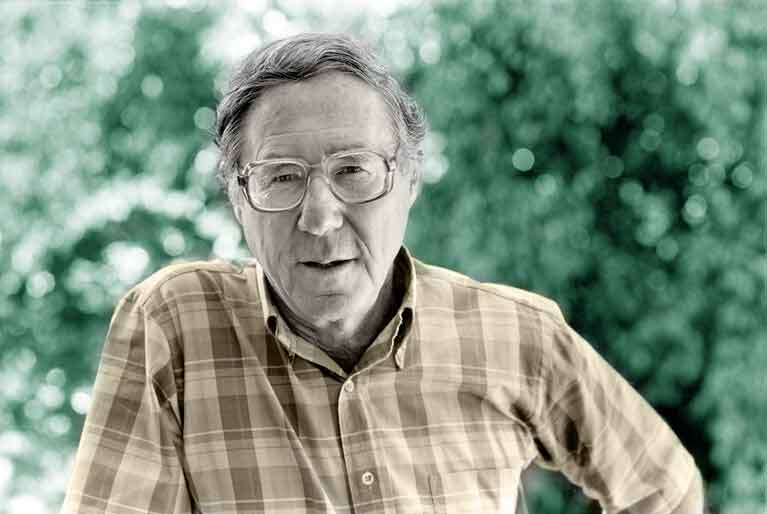
- Died: August 23, 2013, in Los Angeles, California, at the age of 88.
- Left a global network of educators, counselors, coaches, and leaders advancing his work.
- His ideas continue to influence approaches to self-responsibility, intrinsic motivation, non-coercive leadership, and education reform.
Core Contributions
Highlighted Major Works
Reality Therapy: A New Approach to Psychiatry (1965)
Schools Without Failure (1969)
Positive Addiction (1976)
Control Theory (1984)
Choice Theory in the Classroom (1986)
The Quality School (1990)
Choice Theory (1998)
Counseling with Choice Theory (2001)
Warning: Psychiatry Can Be Hazardous to Your Mental Health (2003)
Take Charge of Your Life: How to Get What You Need with Choice Theory Psychology (2011)
Dr. William Glasser’s works began with Reality Therapy®, expanded into Control Theory and then Choice Theory®, and spread into practical applications across education, relationships, management, and mental health advocacy.
Publications
Dr. William Glasser ’s Writings
Dr. Glasser was a prolific author who wrote more than 20 books and numerous articles.
His publications span over five decades and cover counselling, education, relationships, leadership, and mental health.
Below is a chronological list, with major works highlighted with:

1960s — The Birth of Reality Therapy
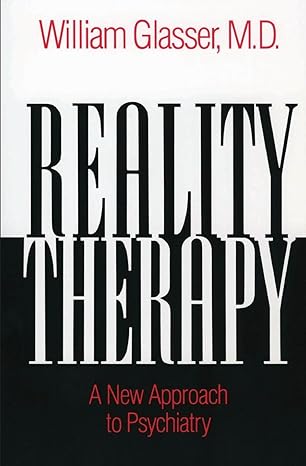
Reality Therapy: A New Approach to Psychiatry
1965
Introduced Reality Therapy®, emphasizing choice, responsibility, and relationships over symptoms and the past.
Schools Without Failure
1969
Applied Reality Therapy® to education, proposing schools that motivate without coercion, failure, or punishment.

1970s — Expanding to Education and Positive Living
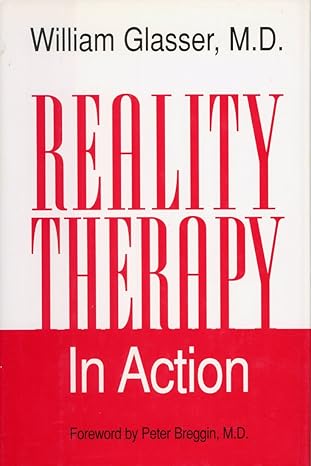
Reality Therapy in Action
1972
Demonstrated therapy sessions in practice.
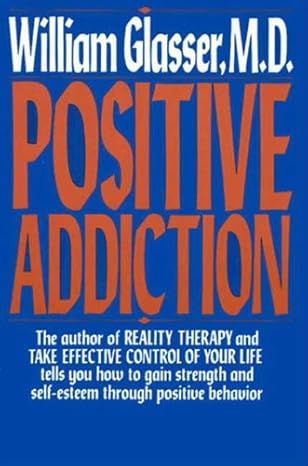
Positive Addiction
1976
Introduced the idea that some “addictions” (like running, meditation, journaling) can build strength and resilience.
Ten Steps to Discipline (with William D. Edwards)
1977
Practical strategies for discipline based on responsibility, not punishment.

1980s — Control Theory Emerges
Stations of the Mind (with O. William F. Powers)
1980
Explored perceptions and consciousness in relation to behaviour.
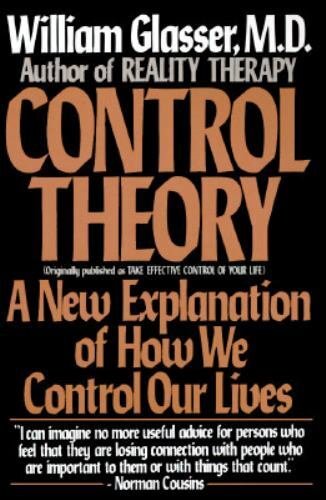
Control Theory: A New Explanation of How We Control Our Lives
1984
Laid the foundation for what later became Choice Theory®.
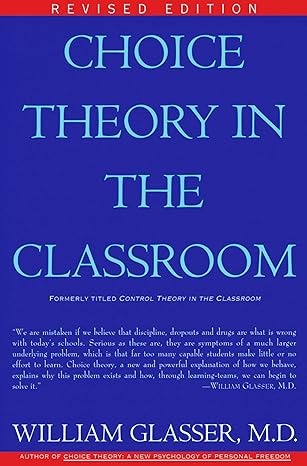
Choice Theory in the Classroom
1986
Applied Control Theory® principles to teaching and learning.
1990s — Quality Schools & Lead Management
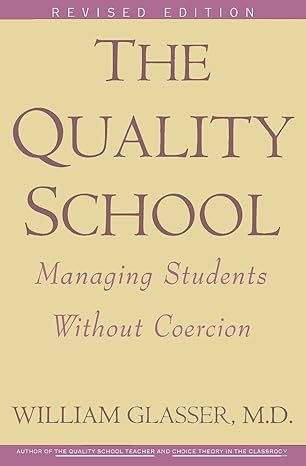
The Quality School: Managing Students Without Coercion
1990
Advocated for creating “quality schools” that meet students’ needs without punishment or external rewards.
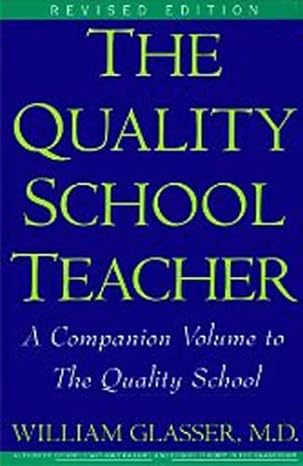
The Quality School Teacher
1992
Focused on teacher practices that align with Choice Theory®.
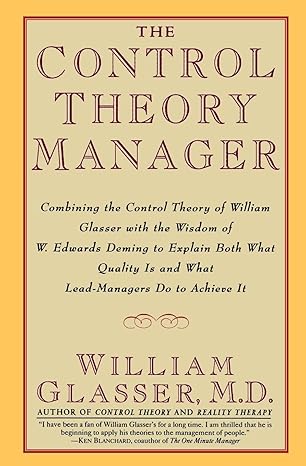
The Control Theory Manager
1993
Applied his ideas to leadership and management.
Staying Together: A Control Theory Guide to a Lasting Marriage
1996
Relationship-focused, offering tools for couples.
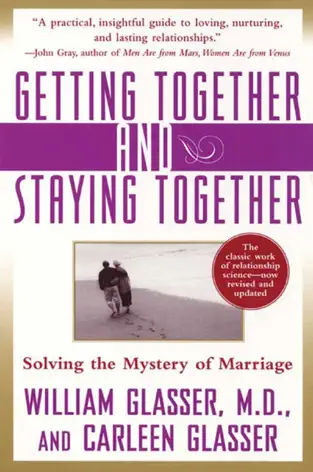
Getting Together and Staying Together: Solving the Mystery of Marriage
1997
Continued the focus on relationships and mutual responsibility.
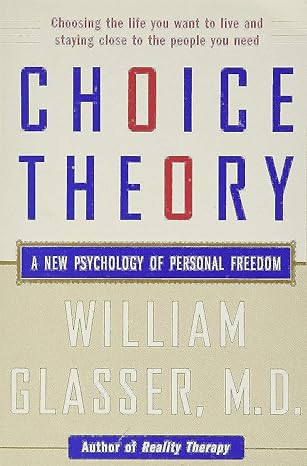
Choice Theory: A New Psychology of Personal Freedom
1998
His unifying framework explaining human motivation and behaviour.
2000s — Practical Tools and Critiques of Psychiatry
Reality Therapy in Action (updated edition)
2000
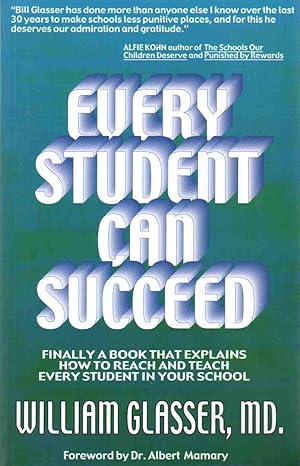
Every Student Can Succeed
2000
Focused on reforming education through Choice Theory®.
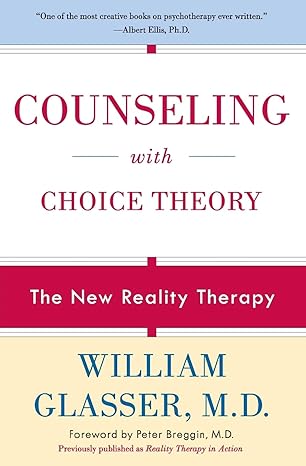
Counseling with Choice Theory: The New Reality Therapy
2001
Updated counselling applications, showing how Choice Theory® strengthens Reality Therapy®.
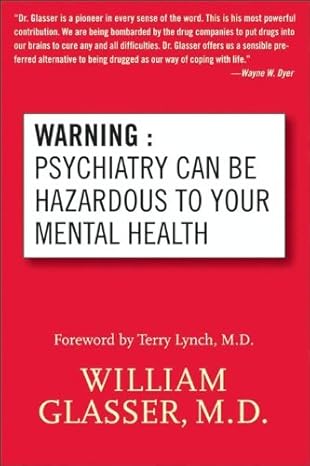
Warning: Psychiatry Can Be Hazardous to Your Mental Health
2003
Strong critique of psychiatry and the overuse of medication, advocating for Choice Theory as an alternative.
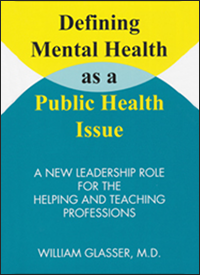
Defining Mental Health as a Public Health Issue
2005
Expanded his advocacy for redefining mental health in society.
2010s — Final Writings
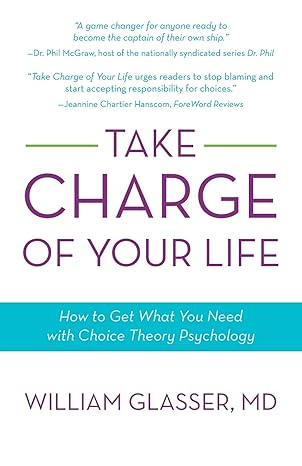
Take Charge of Your Life: How to Get What You Need with Choice Theory Psychology
2011
A user-friendly guide to applying Choice Theory in everyday life.
What Is This Thing Called Love? (with Carleen Glasser)
2013
A final work exploring relationships through the lens of Choice Theory®.

Incase You Were Wondering
FAQs
Connecting • Leading • Celebrating
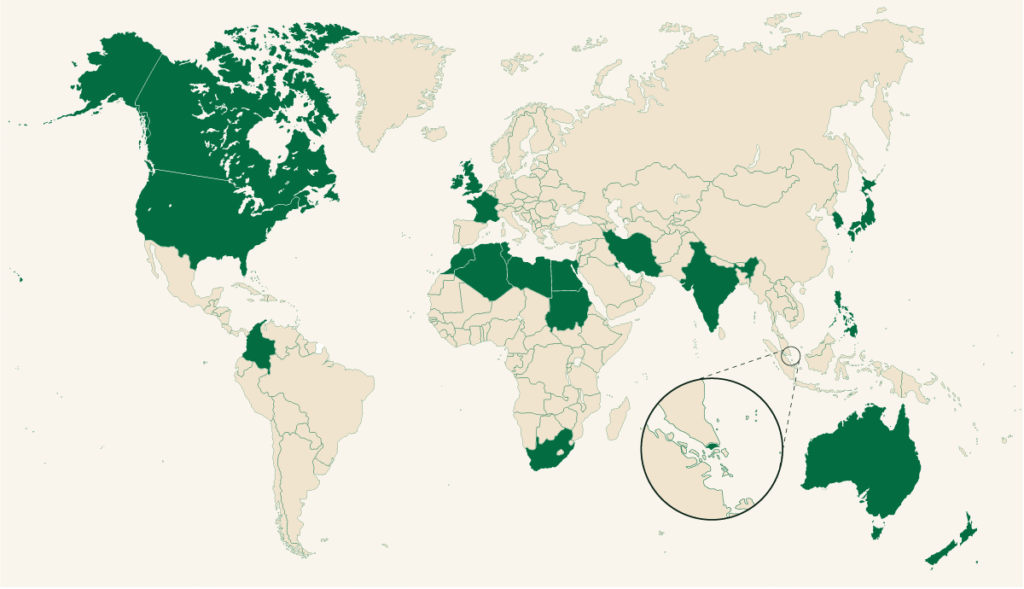
A Unified Global and Local Experience
Membership connects you to both William Glasser International and your local Member Organization, offering the strength of a global perspective with the relevance of local connection.
Be part of a global movement advancing human connection, responsibility, and choice.